

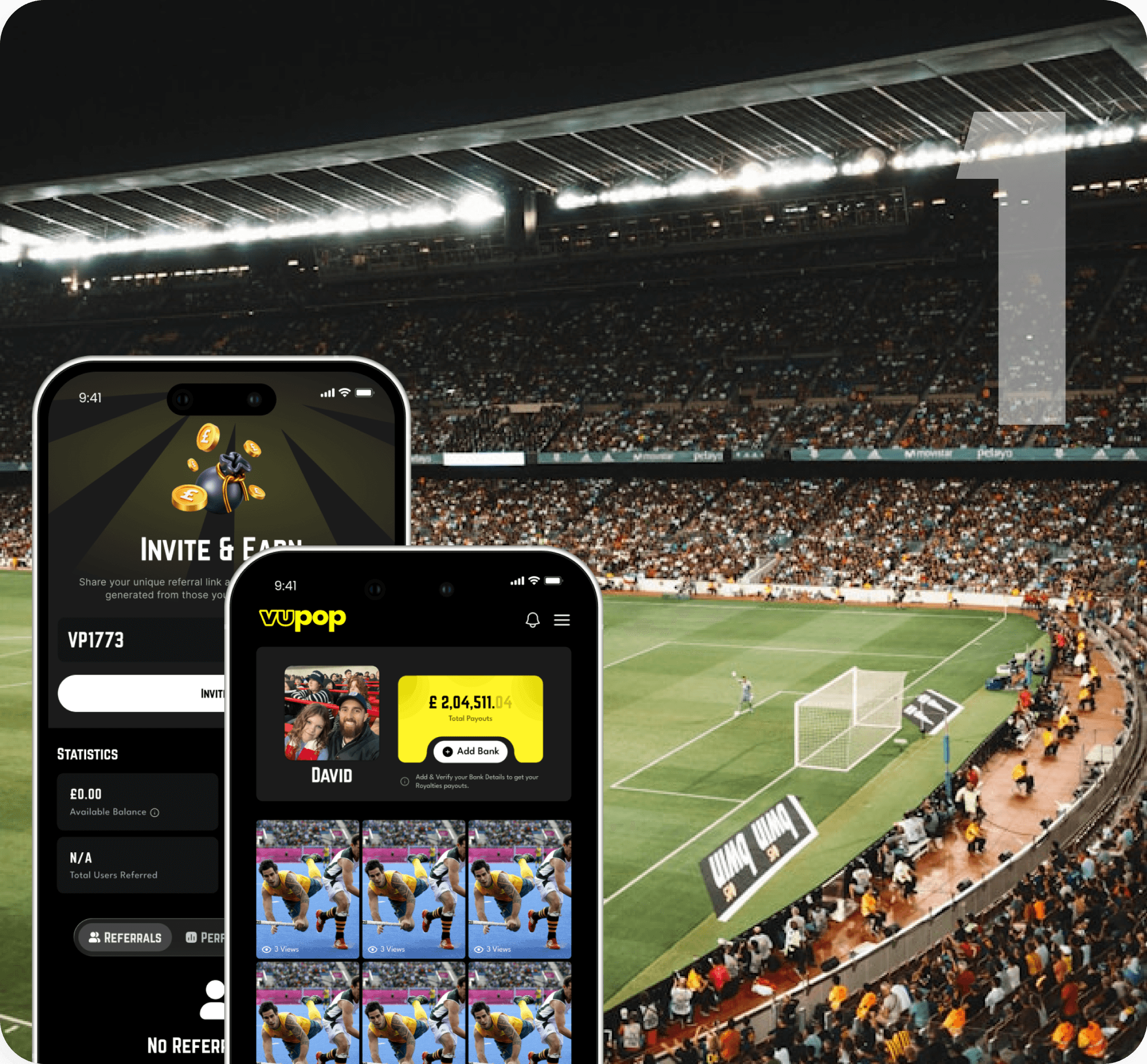
Vupop — social engagement platform
A mobile-first social platform for sports communities, covering the app, website, admin panel and brand. Scalable architecture and performance work carried the product through launch.
Read the case study Zencloud Technologies
Turn a promising AI idea into a product your team can actually use. Zencloud helps businesses plan, build and integrate AI into software, workflows and customer experiences — from an initial use case to a production-ready solution.

A prototype can look impressive and still fail when it meets real data, existing software, security requirements, user expectations or day-to-day operations.
The practical questions are usually: which workflow is worth automating? What data can the system trust? Where does a human need to stay involved? How will quality be evaluated? And how will the solution fit the software you already run?
Zencloud starts with those questions before choosing the technology.

We build AI as part of a wider software system — not as an isolated model. That can include the user interface, APIs, business rules, data connections, retrieval layer, model integration, evaluation and the deployment workflow around the AI capability.
The right architecture depends on the problem. Sometimes a well-designed RAG system is enough. Sometimes conventional machine learning is a better fit. In other cases, the value comes from connecting an AI model to existing applications and carefully defined business actions.

Each capability is selected because it fits the workflow in front of us — not because it fills out a list.
AI features for content, knowledge and workflow-heavy products.
Language-model solutions designed around a defined business use case.
Ground AI responses in approved business information and connected knowledge sources.
AI systems that can use tools and follow controlled workflows where agent behaviour is appropriate.
Reduce repetitive knowledge work while keeping human review where it matters.
Connect AI capabilities with APIs, applications, databases and existing workflows.
Predictive, classification and other ML solutions where structured data makes ML the right approach.
Image and visual-data solutions for suitable operational or product use cases.
Conversational interfaces connected to business knowledge and workflows.
Assess opportunities, feasibility, architecture and the practical path to implementation.
Knowledge assistants — help teams find and summarise internal information.
Document workflows — extract, classify or summarise information at scale.
Customer support — combine conversation with approved business knowledge.
Workflow automation — connect AI decisions with existing systems and defined actions.
Product features — improve search, recommendations, personalisation or user assistance.
Decision support — surface patterns, predictions or next-best actions for human review.
The use case comes first. The technology is selected around the workflow, data and desired outcome.
Discuss your AI projectA useful AI system should change something measurable in the way a business operates or serves its customers. Depending on the project, that may mean less manual work, faster access to information, better customer support, more capable software products, improved consistency or better decision support.
Before development starts, define what 'better' means for the workflow. That gives the team a practical basis for architecture, testing and post-launch evaluation.

We define the workflow, users, constraints and success criteria before selecting a model.
The product experience, APIs, integrations and business logic matter as much as the model.
Model choice, retrieval, data flow, latency and operating cost should reflect the use case.
AI output needs structured testing and clear acceptance criteria, not just a successful demo.
Real users reveal issues that prototypes cannot. The solution should be designed to improve after launch.
Understand the business objective, users, workflow, data and constraints.
Compare opportunities by value, feasibility, risk and implementation effort.
Define data flows, model approach, integrations, application components and evaluation criteria.
Validate the highest-risk assumptions before committing to full development.
Develop the AI capability and the software around it.
Check functional behaviour, response quality, reliability and workflow fit.
Deploy with appropriate monitoring and use real-world feedback to guide iteration.
Our verified technologies group around the actual solution rather than a logo wall, and the final stack is selected according to data requirements, integrations, performance, maintainability and the product environment.
Cloud platforms, databases and third-party tools are confirmed against current delivery capability before they appear on a proposal.
AI requirements vary by industry because the workflows, users, data and risk profile vary. These are the environments where we can show the problem, the relevant use cases and the proof.
An AI Audit is the right first step when the opportunity is clear but the best use case, technical approach or implementation priority is not. It identifies where AI can create practical value, which opportunities deserve attention first, and what needs to happen before development begins.
Each case study answers four questions: what was the client trying to achieve, what did we build, what was technically difficult, and what changed after delivery.
A mobile-first social platform for sports communities, covering the app, website, admin panel and brand. Scalable architecture and performance work carried the product through launch.
Read the case study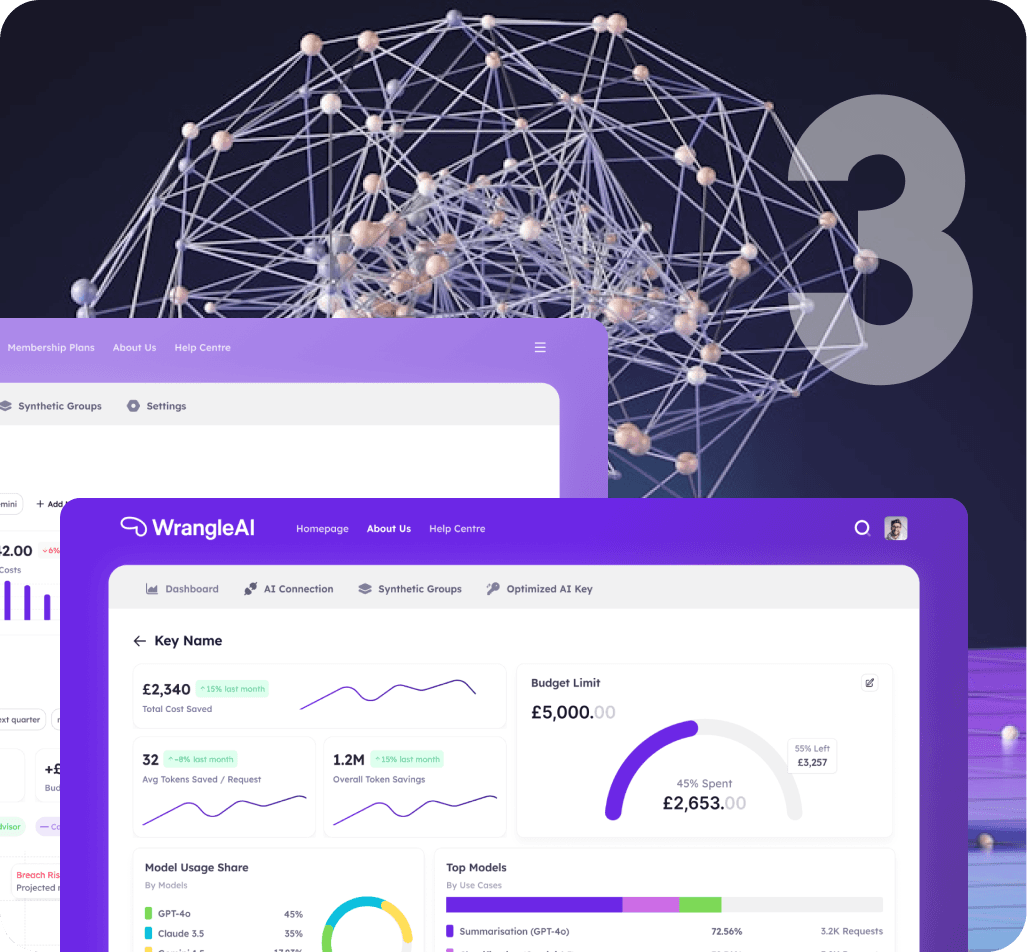
A centralised platform for managing AI API keys and monitoring their performance, so organisations can see which models actually earn their cost.
Read the case study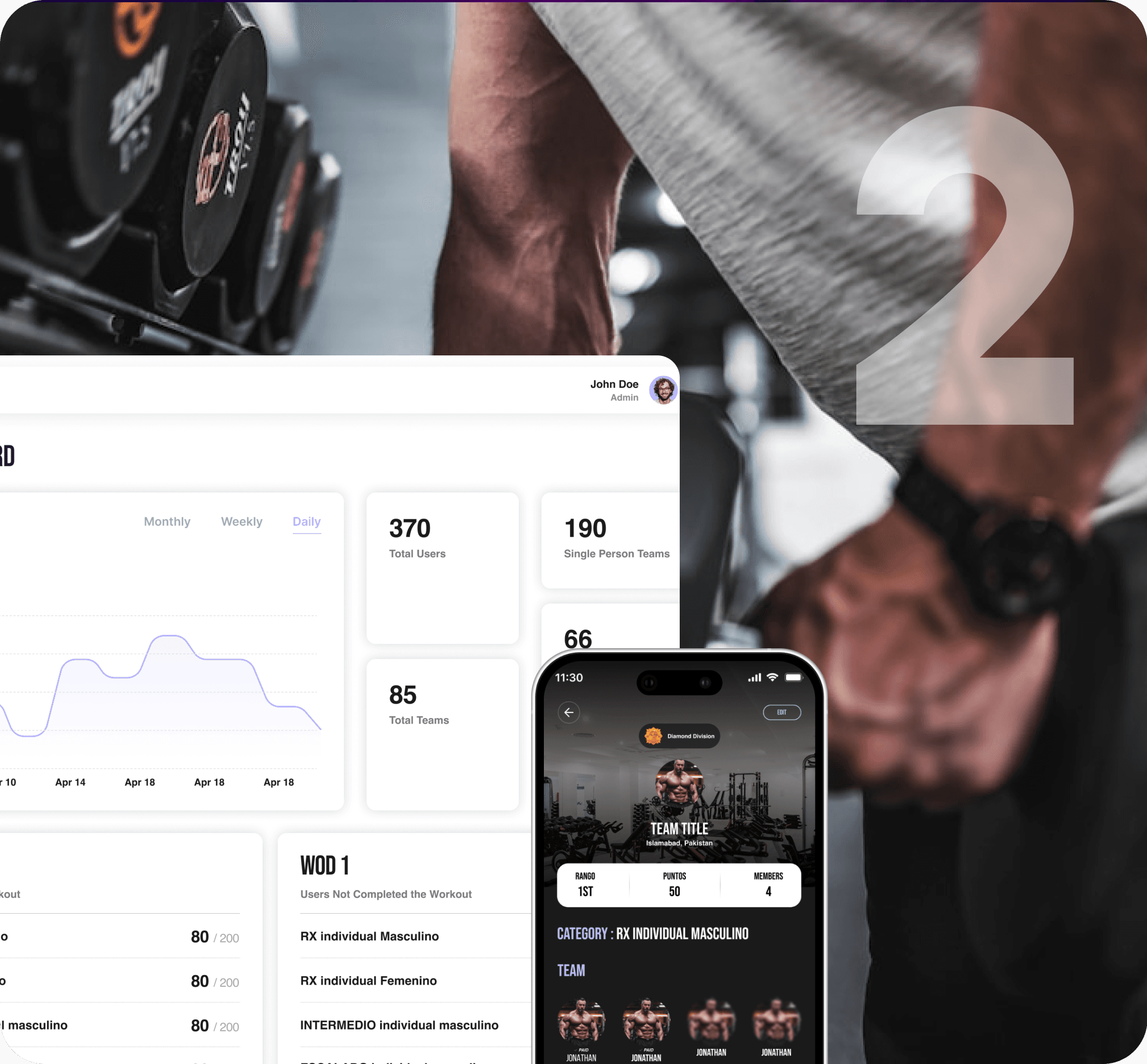
A fitness application for tracking workouts, managing plans and connecting members with a shared training community.
Read the case studyThe right model depends on the maturity of the idea, your internal team and the project requirements.
A good fit when the scope, milestones and ownership are clear.
Learn moreUseful when you need additional engineering capacity or specialist skills alongside your existing team.
Learn moreUseful when the opportunity needs validation before development is scoped.
Learn moreAI development is the design and engineering of software that uses AI capabilities to solve a defined business or product problem. It can include models, data pipelines, retrieval, application logic, interfaces and integrations.
A prototype tests an idea. A production system must also handle real data, users, integrations, quality evaluation, reliability and ongoing maintenance.
RAG can be useful when an AI application needs to retrieve relevant information from a controlled knowledge source instead of relying only on a model's general knowledge.
Yes, when the existing system exposes suitable APIs, data access or integration mechanisms. The architecture should account for authentication, data flow, error handling and operational ownership.
If the opportunity is still being defined, an assessment can help prioritise use cases before development investment.
Cost depends on scope, integrations, data requirements, model architecture, user experience and operational requirements. A useful estimate should follow discovery rather than a generic fixed number.
Bring us the workflow you want to improve, the product you want to build or the AI opportunity you are exploring. We can help you determine what is worth building, how it should work and what the next practical step looks like.